The Hotelier’s STR Playbook: Winning in Urban vs. Leisure Markets
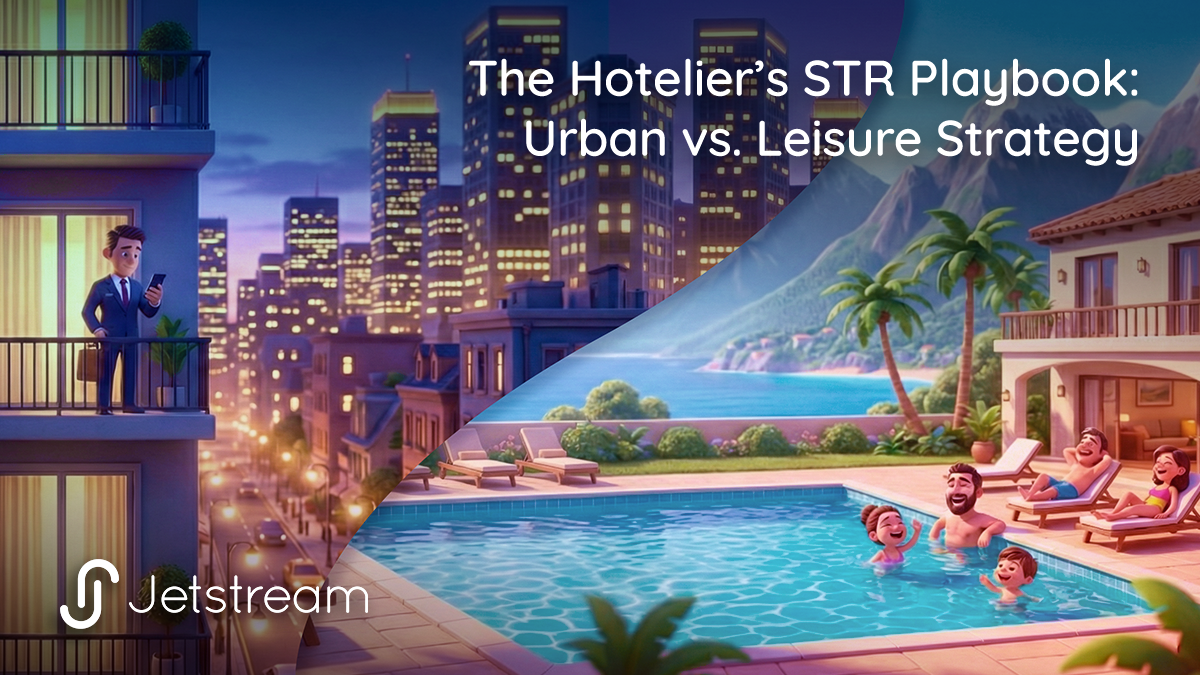
Running one short-term-rental (STR) strategy across urban and leisure assets leaves money on the table. City stays move fast with short lead times, high turnover, price-sensitive guests. Leisure stays stretch out, having families and groups, longer booking windows, and experience-driven decisions.
Recent analyses show STR demand and planning horizons diverge sharply by market type, which should shape your pricing, merchandising, and channel mix.
In this guide, you’ll get a practical, portfolio-level playbook: which units to put on STR channels in cities vs. resorts, how to merchandise them for each traveller, and how to align rates so you scale revenue without chaos.
Urban Markets: High Velocity, Tight Windows
City demand moves quickly. Guests compare options on their phones and book within days, sometimes hours. To win those decisions, design your urban STR units for speed, clarity, and trust.
Remove Friction from Booking
According to McKinsey, use instant book, concise house rules, and mobile-first pages. Keep fees transparent and policies easy to scan. The fewer steps between search and confirmation, the higher your conversion.
Price for the Week You’re In
Run weekpart ladders (Sun–Thu vs Fri–Sat) and apply same-day or 48-hour yield rules to cover short gaps. Keep your base ARI in your PMS/CRS and apply channel-specific adjustments at the edge so your source of truth stays clean.
Merchandise What Matters Now
Lead with location and access: transit proximity, self check-in, dependable Wi-Fi, quiet work areas, late arrival options. Use tight, benefits-first copy and straightforward amenities; save long lifestyle language for leisure listings.
Signal Reliability, Early and Often
Hotels still have an edge on consistency and cleanliness. Reflect that in photography, amenity order, and the first lines of your description. Surface recent reviews that mention ease, cleanliness, and accuracy.
Benchmark and Adjust
Track occupancy, ADR, lead time, and cancellation rate against your comp set. Use market data to fine-tune rates and minimum stays; adjust weekly at a minimum, daily in peak periods.
Keep the Tech Simple
Find a channel manager to take care of your ARI and policy control. Use a channel layer like Jetstream to publish selected inventory to Airbnb/Vrbo so calendars, fees, and rules stay aligned without manual rework.
In the end, just remember that urban units perform best when booking feels effortless, pricing reflects real-time demand, and your brand signals confidence from the first glance.
Let Jetstream handle the channel lift (Airbnb/Vrbo) so rules and content stay in sync across your portfolio.
Leisure Markets: Longer Stays, Lifestyle-First
Leisure demand plays by different rules. Booking windows are wider, stays stretch past the weekend, and guests buy the experience as much as the room. Treat these units (condos, villas, residences) like mini-homes and merchandise for stay value and story.
How to price
- Plan around lead time and length of stay. Use weekly or monthly discounts, advance-purchase offers, and flexible arrival fencing to capture longer trips.
- Avoid panic discounting. Pace with seasonality and events; adjust early, then hold.
How to merchandise
- Lead with lifestyle visuals and copy: pool, spa, parking, kitchen, laundry, gear storage, outdoor spaces, and proximity to lakes, trails, or ski lifts.
- Write to what guests will do (sunset dinners, first tracks, lakeside mornings), not just where they’ll sleep.
How to add value
- Bundle experiences that reduce planning friction: lift tickets, guided hikes, bike rentals, culinary add-ons, late checkout.
- Make the value obvious: what’s included, what it saves, and how it improves the stay.
How to keep operations clean
- Keep ARI and policies centralised in your CRS and publish out to Airbnb/Vrbo via your channel layer so calendars, fees, and rules stay aligned across markets.
Portfolio Strategy: Where to Deploy STR Inventory
The fastest wins come from choosing the right units for the right markets, then scaling what proves incremental.
City Filter (velocity)
- Start with under-utilised suites, extended-stay floors, or self-contained units near medical, convention, or tech corridors.
- Price for speed: weekpart ladders, last-minute yields, 1–2 night minimums, instant-book, clear rules.
Leisure Filter (stay value)
- Lead with condo/villa inventory that naturally supports longer stays: full kitchens, parking, outdoor access, storage.
- Incentivise stays with length-of-stay discounts, early-booking offers, and prominent seasonal hooks (lake season, ski weeks).
Roll-out Model
- Launch 10–15% of keys per market. Expand only when you see incremental ADR/LOS/occupancy (not channel shift).
- Standardise photos, amenities, and policies to protect brand consistency across channels.
Guardrails that Protect Margin
- Maintain rate parity where it matters; use channel mark-ups to absorb commissions and fees.
- Keep direct offers compelling without undercutting public rates (think bundled value, flexibility, and service).
One Data Spine
- Feed results back into BI/RMS so you can compare net revenue by market and channel (direct vs OTA vs Airbnb/Vrbo).
- Reallocate inventory based on contribution, not volume, double down where stays are longer, costs are lower, and reviews lift conversion.
Want a low-lift way to pick your first tranche of units
(and set the right guardrails)?
And we’ll map it to your current channel manager set-up and market mix.
Merchandising That Matches the Market
How you present each listing can make or break your performance. Urban and leisure travellers may both search online, but they’re motivated by different things. If your listings look and read the same across markets, you’re leaving conversion on the table.
Let’s break it down.
For Urban Listings: Speed, Clarity, and Confidence
Think of your city guest as a “scroll-and-decide” shopper. They skim, compare, and book fast. To meet them where they are:
- Lead with clarity. Keep copy tight, highlight the essentials, Wi-Fi, parking, proximity to landmarks, and make pricing visible upfront. Mobile-first design matters; a cluttered listing costs bookings.
- Keep imagery simple. Use bright, functional photos that load fast and focus on cleanliness, lighting, and layout. Professional but minimal wins in dense search results.
- Echo your hotel brand. Urban travellers want reliability. Mirror your existing tone, efficient, modern, and trustworthy.
For inspiration on digital merchandising principles that drive conversion, review CBRE Hotels Advisory’s report on brand consistency across property types.
For Leisure Listings: Emotion, Storytelling, and Stay Value
Leisure guests are buying a feeling. They picture themselves there before they click Book Now.
- Sell the story. Use long-form descriptions and emotive imagery, sunsets, family breakfasts, mountain views, to trigger desire.
- Show value-adds. Highlight features that create convenience and comfort: pet-friendly stays, outdoor gear, kitchens, and laundry.
- Design matters. Lean into visual warmth and comfort. Guests choose leisure properties to escape, not to rush.
As Scott Smith, Senior VP at CBRE Hotels Advisory, puts it:
“Merchandising urban and leisure units the same way is like pricing economy and business class the same; it leaves money on the table.”
Start with matching your message to the traveller’s intent. Urban guests crave efficiency. Leisure guests crave connection. You may have only one portfolio, you will have two very different stories.
Pricing, Rate Rules, and Channel Mix
Your pricing shouldn’t follow geography; it should follow demand rhythm. Urban and leisure markets pulse differently, and your revenue rules should move with them.
Urban Pricing: Fast-Moving, High-Turnover
Short booking windows mean constant adjustment.
- Use dynamic pricing, same-day discounts, and weekday premiums to capture business and bleisure demand.
- Keep ARI management centralised and push tactical adjustments through your channel layer.
- See Amadeus’s guide on centralised rate management for multi-channel portfolios for best practices: amadeus-hospitality.com.
Leisure Pricing: Long Horizons, Stay-Based Value
Leisure travellers plan ahead and stay longer.
- Offer early-bird discounts, length-of-stay bundles, or rate ladders that reward 5–7-night bookings.
- Lead with experiences rather than nightly rates; guests remember value, not decimals.
- Cross-sell add-ons like spa passes or guided tours; Amadeus found travellers pay more when benefits are clear.
Guardrails and Channel Mix
- Maintain rate parity across public channels to preserve trust and avoid undercutting direct.
- Add modest channel mark-ups to offset fees on Airbnb and Vrbo.
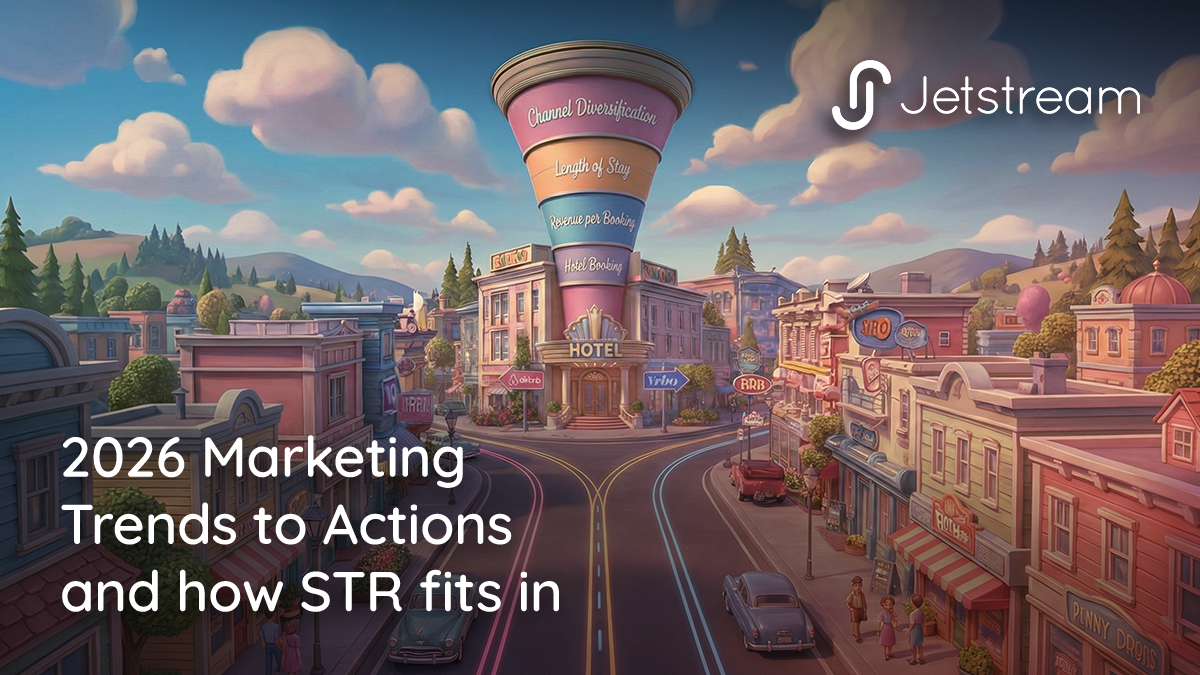
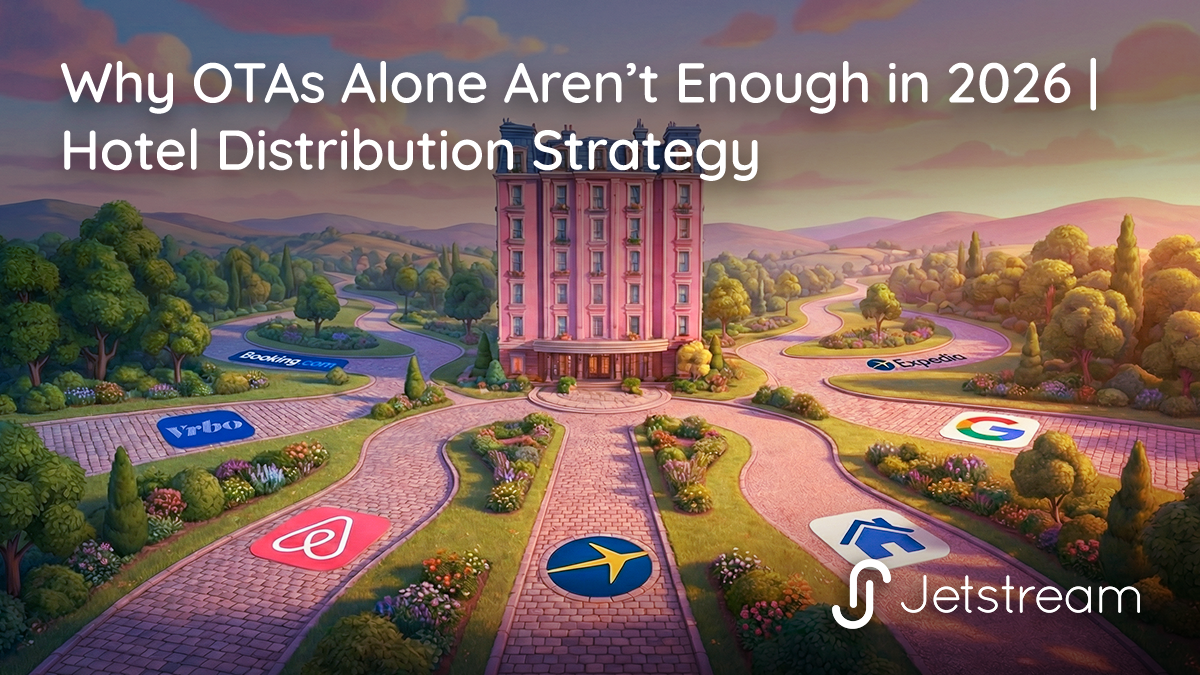
- Keep your base mix steady with OTAs and direct; use STR channels as a strategic extension, not a replacement.
When your pricing and mix mirror how guests actually book, not just where they are located, you turn static assets into agile, market-responsive revenue drivers across your entire portfolio.
Turn a Mixed Portfolio Into a Single Growth Engine
If you’re managing a mixed portfolio, the question isn’t whether STR fits; it’s where it fits best, and how to operationalise it without chaos. That’s what our Portfolio Opportunity Scan delivers: a data-backed map of which units to launch on Airbnb/Vrbo, expected revenue impact by market type, and the guardrails to protect brand and rate integrity, all on top of the stack you already use.